Systems and operations
How to Document a Business Process Before You Forget It
If one routine task only works when you remember every detail, it is not a process yet. Capture the steps in a guide people can actually use.
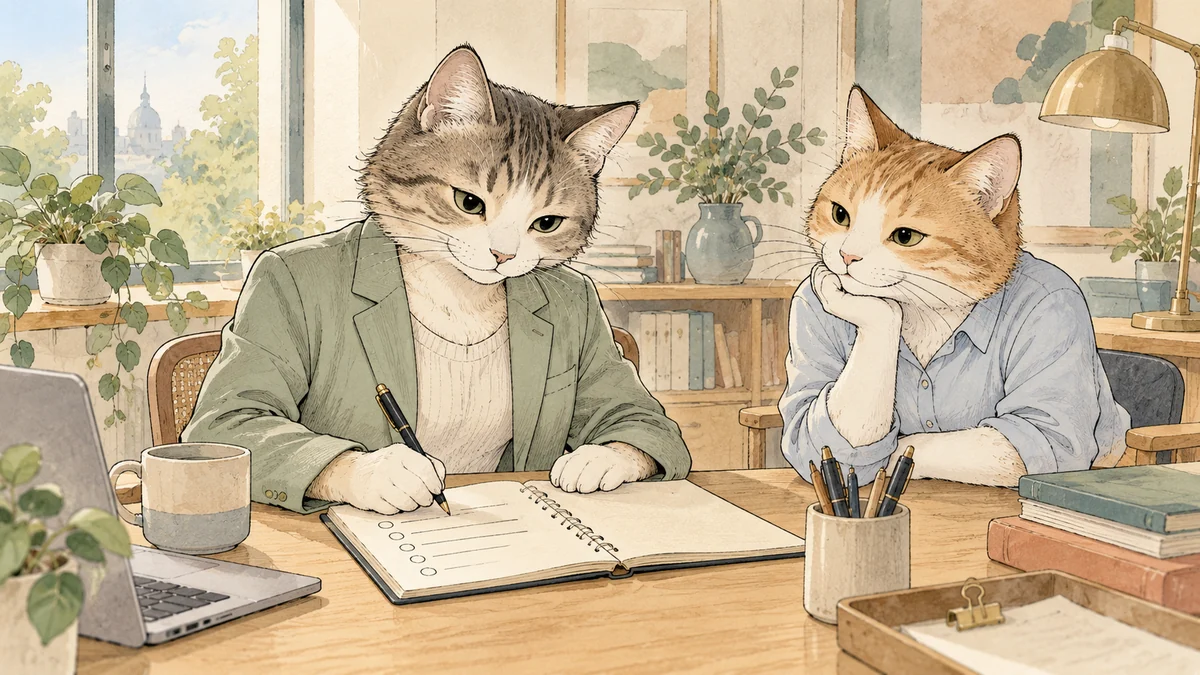
If you were away for a week, which routine task would quietly fall apart?
Maybe it is the way you prepare a new customer’s first order, check a delivery, or close out a project. You know the steps so well that writing them down can feel unnecessary. But if the task depends on remembering the right detail at the right moment, it is easy for a handoff to turn into a round of questions, rework, or missed steps.
Documenting a process does not mean creating a thick operations manual. It means making one recurring task easier to repeat, teach, and improve.
Two useful facts about process notes
- A useful workflow record includes more than a list of actions. NIST describes capturing the tools, inputs, parameters, assumptions, and provenance needed to reproduce and validate a scientific workflow. That guidance is written for research, but the same practical lesson applies to routine business work: record the information someone needs to get a consistent result, not just the button they should click. NIST: Scientific Workflow
- A process document is only helpful if it reflects the current process. A checklist that no longer matches the work can create mistakes. Treat it as a working note that gets tested and revised when the task changes.
Start with a task you repeat
Choose something frequent enough to matter and stable enough to describe. Good first candidates include responding to a common enquiry, preparing a quote, onboarding a customer, packing a standard order, or publishing a routine update.
Avoid starting with a process that is unusual, heavily dependent on expert judgment, or changing every week. Capture the predictable part first. Mark the moments where someone needs to stop and ask for help.
Write for the person doing the work
Open a blank document or checklist and answer these questions:
- What starts the process? For example, a signed proposal or a new order.
- What needs to be ready first? List required information, files, access, or materials.
- What are the steps? Use short action statements in the order they happen.
- What does finished look like? Name the result and where it should be saved, sent, or recorded.
- What can go wrong? Add a simple exception note or say who should decide.
Be specific where mistakes are costly. “Check the order” may not be enough. “Confirm the delivery address and quantity against the customer’s order before printing the label” gives a clearer action. Skip details that an experienced person does not need and that do not prevent errors.
Test it before you call it done
The person who performs the task can draft the first version from memory, but then use the notes to complete the task once. Each time you pause to ask “what next?” or rely on an unwritten exception, update the guide.
If a teammate will use it, ask them to follow the instructions without coaching. Watch where they hesitate. Their questions are useful evidence that a step is missing or a term is unclear. Keep the document near the work itself, and include a last-reviewed date and the name or role responsible for updates.
Keep the guide short and alive
A process note should reduce repeated explanations, not add a new administrative project. A single-page checklist, a few annotated screenshots, or a short template may be enough. When you change the process, update the guide at the same time. Remove steps that no longer help.
Do not try to document the entire business in one sitting. Choose one recurring task that currently depends on memory. Capture it, test it, then decide whether another process is worth documenting.
Recap: capture, test, update
- Choose a repeatable task that causes questions, delays, or rework.
- Record the trigger, inputs, steps, finish point, and common exceptions.
- Test the guide by doing the task or asking someone else to follow it.
- Update the document when the real process changes.
The goal is not paperwork for its own sake. It is a routine that can be repeated without asking the same person to remember every hidden step.